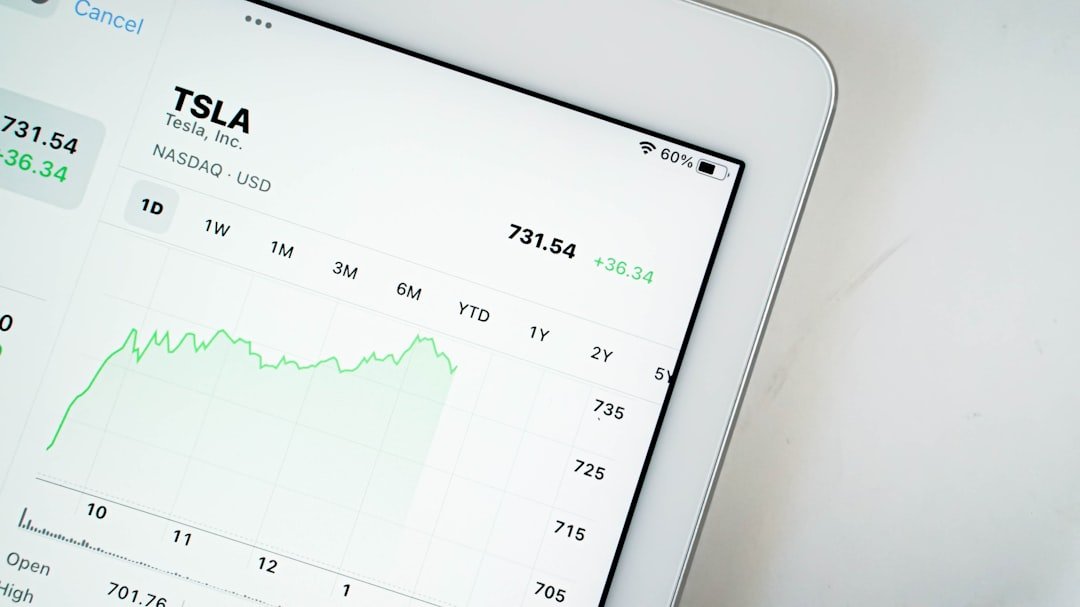
Events live and die by return on investment now. If you cannot show what your event returned, next year’s budget becomes a fight you are likely to lose. The teams that keep growing their event budgets are not always the ones with the flashiest events. They are the ones who measure the right things and report them clearly. Here is what to track so the case for your event makes itself.
Why attendance is a vanity metric
Headcount feels like success, but on its own it tells leadership almost nothing. A packed room that produces no pipeline is an expensive party. Attendance only matters in context: who attended, what they did next, and what it was worth. Lead with business outcomes and attendance becomes a supporting detail, not the headline.
Track pipeline, not just headcount
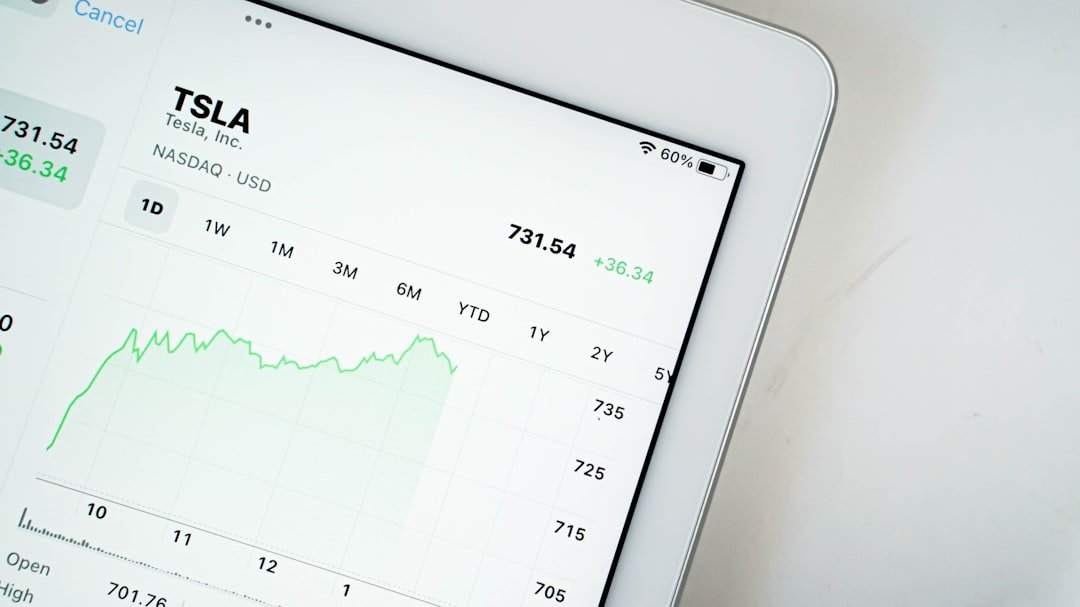
The numbers that actually move a budget conversation are the ones tied to revenue.
- Meetings booked during and after the event.
- Qualified leads generated, by your own definition of qualified.
- Pipeline value created and deals influenced.
- Existing customers retained or expanded through the event.
The key is to connect every registration to your CRM so you can follow each attendee from sign-up all the way to closed revenue. Without that link, you are guessing.
Measure cost per outcome
Finance teams think in efficiency, so speak their language. Divide the total event cost by the outcomes that matter: cost per qualified lead, cost per meeting, cost per opportunity created. These figures let leadership compare your event against every other channel on equal terms, and a strong cost per opportunity is one of the most persuasive numbers you can put on a slide.
Capture sponsor and attendee value
Pipeline is not the only return. Add sponsor revenue and sponsor renewal rate, which can offset much of the event cost outright. Then layer in attendee satisfaction and the percentage who return next year. Together these show the event is a compounding asset that gets stronger each cycle, not a one-off expense.
Let AI handle the reporting
Pulling all of this together used to take weeks. AI-powered measurement and post-event analysis are now increasingly standard and can turn raw registration, engagement, and CRM data into a clean, readable report quickly. That speed matters, because a report delivered while the event is still fresh in leadership’s mind lands far harder than one that arrives a month later.
Build the report before the event
The biggest mistake is deciding what to measure after the event is over. Define your success metrics and set up the tracking before you start promoting. Know exactly how you will capture leads, tag registrations, and attribute meetings on day one. Measurement designed in advance is reliable. Measurement bolted on afterward is mostly storytelling.
Key takeaways
- Attendance alone is a vanity metric. Tie everything to revenue.
- Track meetings, qualified leads, pipeline, and retention.
- Report cost per lead, meeting, and opportunity for finance.
- Include sponsor revenue, renewals, and repeat attendance.
- Design the measurement before you start promoting.
Want an event that proves its own ROI? Osato Studio builds the tracking in from day one and hands you the report. See how we work or book a strategy call.